OMDURMAN, Sudan — Sudan’s agricultural sector, a critical lifeline for a nation grappling with widespread hunger, faces an unprecedented crisis as a new conflict in the Middle East compounds the devastating effects of a three-year domestic war. Farmers, attempting to rebuild amidst ongoing instability, are now contending with sharply rising input costs, jeopardizing the upcoming planting season and deepening an already acute food insecurity crisis.
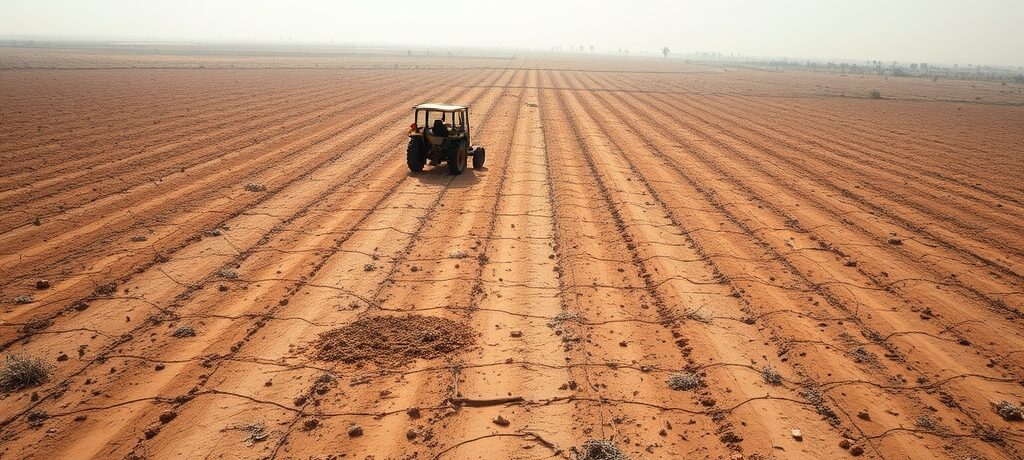
Omer al-Hassan, a farmer in Omdurman, returned to his land after two years of displacement by Sudan’s internal conflict. He and his team spent two months clearing weed-choked land, only to find their efforts threatened by external geopolitical forces. Al-Hassan stated to The Associated Press that the Iran war has “affected everything related to agriculture,” forcing him and 10 other farmers working his land to ration fertilizer on crops like potatoes and tomatoes, and sometimes even to “skip a meal.”
Supply Chain Disruptions Drive Soaring Costs
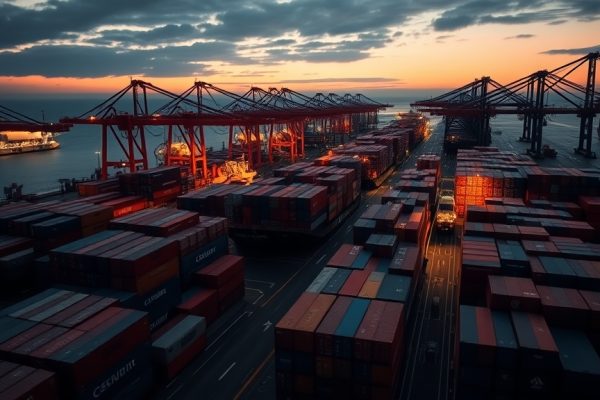
The conflict in the Middle East, particularly Iran’s reported grip on the Strait of Hormuz and Houthi threats in the Bab el-Mandeb Strait, has severely disrupted global supply chains, directly impacting Sudan. The Gulf region, a crucial source, provides over half of Sudan’s sea-imported fertilizer. This disruption has led to dramatic price increases for essential agricultural inputs.
Abdoun Berqawi, a farmer in Gezira, one of Sudan’s primary food-producing regions, highlighted the stark reality. A 50-kilogram (110-pound) bag of urea fertilizer, which cost approximately $11 last year, now sells for about $50. Similarly, the price of fuel for tractors has surged from $2.50 to $8 per gallon, representing an approximate 30% increase in overall fuel prices. Mohammed al-Badri, another farmer, confirmed the crippling effect of these costs, stating he could afford to plant only half his farm, with “the rest of it is nothing.”
Deepening Food Insecurity and Humanitarian Crisis
The ripple effect of these rising costs extends far beyond individual farms, threatening the food supply for millions. Staple crops such as sorghum, millet, and sesame are now at risk, leading to significant price hikes for consumers. In Sudan’s urban areas, prices for vegetables and dairy products have already risen by approximately 40% due to fuel price spikes.
Melaku Yirga, Mercy Corps vice president for the Africa region, described the Iran war as triggering a “dangerous chain reaction … at the wrong moment” for farmers preparing for the planting season. He noted that people are “buying less food, cutting or skipping meals, selling assets and taking greater risks just to survive.” Yirga added that mothers are “being forced to make painful choices about who gets to eat the little food that is available, while some families are resorting to leaves or animal feed just to get by.”
The humanitarian situation, already dire, is worsening. The U.N. World Food Program (WFP) estimates that 19 million people across Sudan are facing acute hunger, with many families on the brink of famine. Famine was declared in two major regions, Darfur and Kordofan, just last year. The Middle East conflict has also severely delayed humanitarian responses, with WFP reporting that Sudan-bound food assistance shipments are now traveling an additional 9,000 kilometers (5,500 miles), incurring higher costs and longer delivery times.
Compounding Vulnerabilities and Obstacles
These external pressures are layered upon existing vulnerabilities within Sudan. Samy Guessabi, country director for Action Against Hunger in Sudan, pointed to ongoing currency depreciation and the particular hardship faced by remote agricultural zones like Kordofan, White Nile, Darfur, and Blue Nile, which are “poorly connected.”
Farmers also face the threat of legal repercussions. Merghany Omar, a farmer in al-Matammah in River Nile province, warned that poor crop yields due to rising costs could lead to jail time for those unable to repay bank loans. He noted that onion farming, a local staple, no longer covers planting costs in his area. Mubarak al-Nour, a farmer and former parliamentarian in Gedaref, highlighted that even if supplies eventually arrive, delays could cause farmers to miss the critical planting season, which runs from June to November. Some farmers are already switching to cheaper crops requiring less or no fertilizer, scaling back on corn and rain-fed sesame.
Adding to the complexity, Mathilde Vu, an advocacy manager with the Norwegian Refugee Council, stated that fuel shortages in some areas are a direct result of warring parties blocking essential supplies. She also cited a “senseless escalation” of drone attacks nationwide, which have heavily bombed local fuel markets in recent months.
The confluence of a protracted domestic conflict, severe economic strain, and external geopolitical disruptions has created a perilous environment for Sudan’s agricultural sector. Without significant intervention, the nation faces a deepening humanitarian catastrophe, with its farmers caught in a struggle for survival that extends far beyond their fields.