Chinese inverter manufacturer Sungrow Power Supply Co. experienced a significant stock market downturn on Wednesday, with shares tumbling as much as 20%. This sharp decline followed a Reuters report indicating that a US regulator is considering a ban on imports of new foreign models, citing national security concerns.
US Regulator Weighs Import Restrictions
The potential ban, reportedly being drafted by the Federal Communications Commission (FCC), stems from worries that Chinese-made inverters could be exploited to disrupt power supplies. According to unnamed sources cited by Reuters, such restrictions could be implemented as early as this year. The stock’s intraday drop in Shenzhen was the steepest since April of the previous year.
Sungrow’s Global Footprint and US Exposure
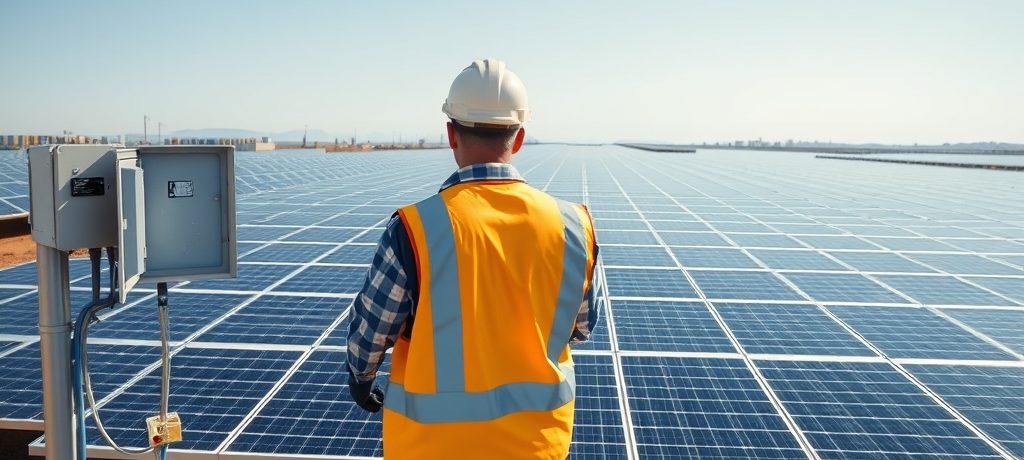
Sungrow is recognized as one of the world’s leading producers of inverters, essential devices that convert direct current (DC) electricity into alternating current (AC). In 2025, the company reported global shipments totaling 143 gigawatts. Beyond inverters, Sungrow also manufactures energy storage systems. The company’s reliance on international markets is substantial, with 60% of its revenue generated outside of China last year.
The United States represents a critical market for Sungrow’s inverter sales. Citigroup Inc. estimates that approximately 30%-40% of the company’s gross profit from inverter sales originated in the US in 2025.
Company Response and Market Implications
In a written response to a request for comment, Sungrow stated it remains focused on ongoing developments and has no further comment at this stage.
Citigroup analysts, however, suggested that Sungrow may not be overly concerned by the proposed ban. They noted that the inverters Sungrow exports to the US reportedly lack remote communication capabilities and perform only the inverter function, a configuration previously verified by the US Department of Energy.
The potential ban could have significant repercussions for the US energy sector. Citigroup’s analysis indicates that 90% of inverters used in utility-scale projects are sourced from foreign companies, predominantly Chinese. This dependency raises questions about the feasibility of a swift ban or suggests that any implementation might involve a lengthy grace period.