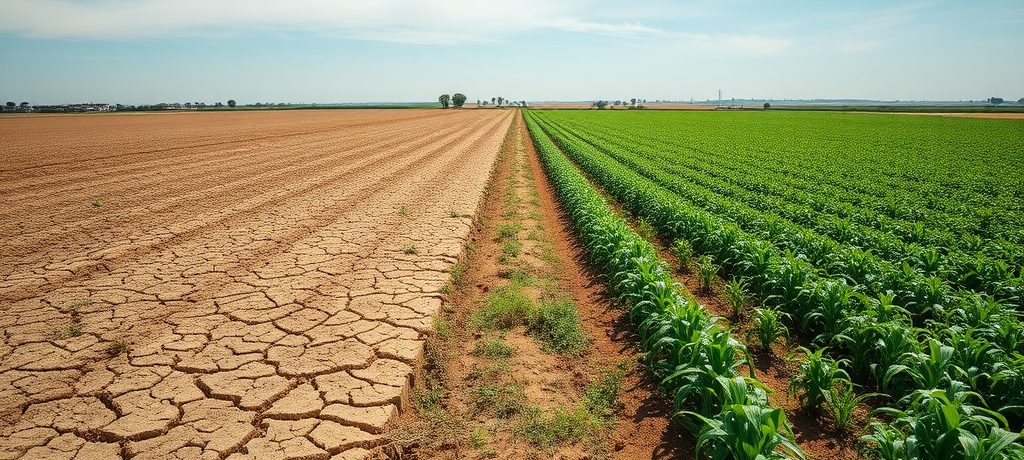
As the immediate anxieties surrounding the Iran conflict begin to recede, stock investors are now confronting a distinct and escalating threat: climate risk. This shift in focus is prompting a fundamental reassessment of investment strategies across a spectrum of sectors, notably agriculture and insurance, as the financial implications of environmental shifts become increasingly apparent.
A high probability exists for a ‘Super El Niño’ to develop, potentially persisting until 2027. This severe weather phenomenon is anticipated to drive up global temperatures in various regions, leading to a surge in power demand, significant reductions in crop yields, and a potential resurgence of inflationary pressures. Such developments could considerably complicate the policy outlook for central banks worldwide, posing a tangible risk to global equities that are currently trading near record highs.
Defining the ‘Super El Niño’ Threat
El Niño is a natural weather pattern characterized by the sustained warming of Pacific Ocean surface temperatures. This warming can trigger patterns of high and low atmospheric pressure, resulting in excessive rainfall in some parts of the world and severe drought in others. The US Climate Prediction Center indicates a 63% chance that the current El Niño could evolve into a very strong event, informally termed a ‘Super El Niño,’ as it progresses towards 2027.
The potential economic fallout from such an event is substantial, as evidenced by historical precedent. The last time the world experienced an El Niño of comparable strength, during 2015 and 2016, it resulted in more than $7.8 trillion in lost productivity globally, according to a study conducted by Dartmouth College. The impacts are already being observed in various regions, from a delayed onset of the Indian monsoon season to a temporary suspension of Peru’s vital fishing season.
Ole Hansen, head of commodity strategy at Saxo Bank, underscored the critical timing of this climate event. “El Niño arrives at an especially sensitive moment,” Hansen stated, adding that “The global economy is still adjusting to the inflationary consequences of the Iran conflict, while supply chains remain vulnerable following months of disruption.”
Sectoral Vulnerabilities and Opportunities
Investors are closely monitoring several key sectors as El Niño risks intensify. The agriculture and aquaculture industries are expected to bear a significant portion of the impact, though the precise effects will vary by region and specific commodity.
Agriculture and Aquaculture
- Palm Oil: In Indonesia, the world’s largest producer of palm oil, hotter and drier weather conditions typically lead to reduced yields. This outlook clouds earnings prospects for plantation companies and adds pressure to local stocks already contending with concerns over Indonesia’s market-classification status and its move to centralize key commodity shipments.
- Grains and Sugar: Global production of corn and wheat may also be negatively affected by the weather phenomenon, according to UBS Group AG. Similarly, sugar output in Asia is anticipated to suffer. India, the world’s second-largest sugar producer, has already implemented a ban on exports until the end of September, a measure that has reportedly dragged down shares of prominent millers such as Shree Renuka Sugars Ltd. and Bajaj Hindusthan Sugar Ltd.
- Regional Variations and Opportunities: Despite widespread negative impacts, some regions and commodities may see benefits. Improved rainfall in Argentina, coupled with higher sugar prices, could prove advantageous for certain Latin American firms, including São Martinho and Adecoagro SA, as noted by Morgan Stanley. Furthermore, El Niño has historically been globally supportive for soybean output, particularly for major producers in the United States and the southern regions of Brazil, according to analyses by UBS.
The looming ‘Super El Niño’ represents a complex and multifaceted challenge for global financial markets. Its potential to disrupt supply chains, reignite inflation, and impact diverse sectors from energy to food production necessitates a vigilant and adaptive approach from investors. The transition from geopolitical concerns to climate risk signifies a profound shift in the landscape of investment analysis, demanding a deeper integration of environmental factors into financial models and strategic decision-making.