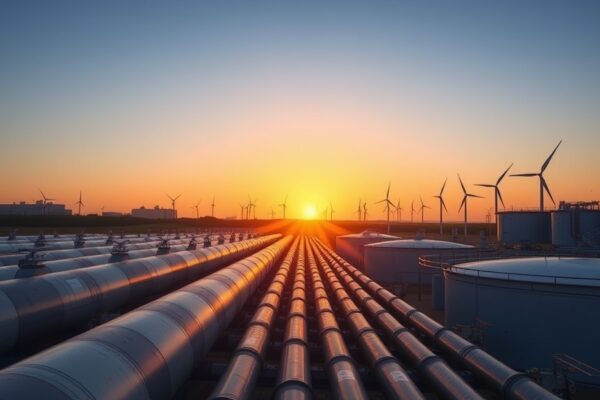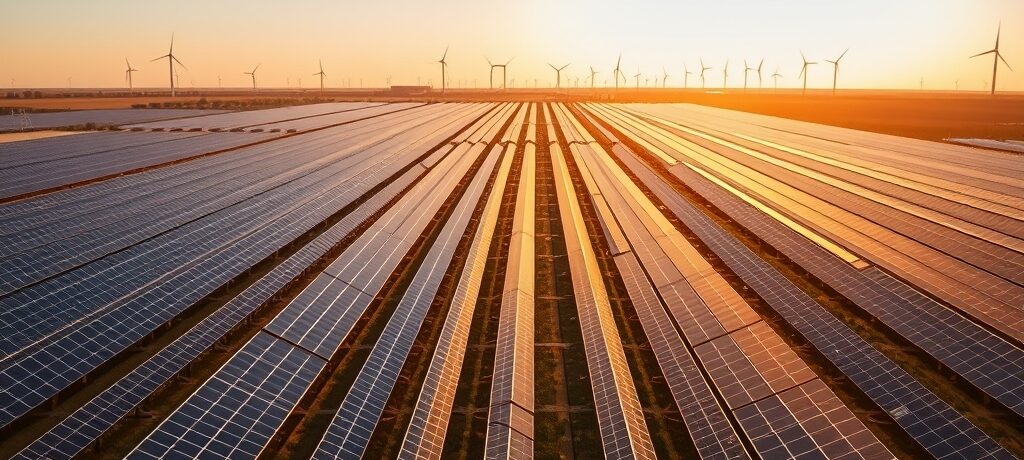
The future of global energy is increasingly defined by a strategic shift towards a diversified mix of solar, wind, geothermal, nuclear, and kinetic power, complemented by advanced battery storage. This transition, poised to largely replace carbon fuels, is fundamentally an economic imperative rather than a political or environmental appeal, according to recent analysis.
Economic Drivers Propel Clean Energy Adoption
The core argument for clean energy’s ascendancy lies in its compelling economic advantages. Renewable energy sources are demonstrably cheaper to construct than new coal plants, encounter less local opposition compared to natural gas projects, and necessitate significantly fewer environmental cleanups than oil operations. This cost-effectiveness is becoming even more critical with the escalating demand from power-intensive artificial intelligence and its associated data centers, where building with renewables proves less expensive than relying on traditional power sources.
Dominance in Global Investment and Capacity
Recent data underscores a profound redirection of capital towards clean energy. Last year, the United States saw $3.3 trillion in new energy investment, with approximately two-thirds of that figure—around $2.2 trillion—allocated to clean energy initiatives. Globally, clean energy is overwhelmingly leading new power capacity additions. More than 90% of all new electricity capacity worldwide in recent years originated from renewable sources. This trend is expected to accelerate, with geopolitical events, such as the ‘Iran War,’ potentially driving even faster adoption of cheaper, greener energy sources, rather than solely impacting crude oil prices.
Falling Costs and Transitional Fuels
The economic viability of clean energy is further bolstered by dramatic cost reductions across key technologies. The cost of solar power has reportedly fallen by 99%, while battery prices have decreased by approximately 90% over the past decade. These significant declines make renewable solutions increasingly competitive. While fossil fuels are not expected to disappear immediately, natural gas is widely anticipated to serve as a transitional energy source, bridging the gap between traditional oil and coal dependence and the broader adoption of solar and wind power.
In 2023, renewable energy sources already accounted for over 30% of the world’s electricity, a figure that continues to climb annually. This sustained growth, driven by clear economic benefits and technological advancements, firmly positions clean energy as the dominant force shaping the future of global power generation.