President Donald Trump has announced a sweeping policy initiative, declaring a 100% import duty on generic drugs effective August 2028. This mandate provides generic drug manufacturers with a two-year window to relocate their production facilities to the United States, or face the significant tariff. The directive, communicated via a social media post on Tuesday, underscores a renewed push to bolster domestic pharmaceutical manufacturing.
The proposed levy is designed with escalating penalties, as the import duty is slated to double to 200% a year later, in August 2029, for companies that have not complied. Trump explicitly stated the rationale behind this aggressive measure: “This is done in order to RESHORE Generic Pharmaceutical Production into America, with a penalty to those Companies that decide not to build Plant and Equipment within the stated period of time given to them.”
This policy move aligns with Trump’s long-standing focus on drug affordability and consumer costs, a key concern ahead of the 2026 midterm elections. He has consistently criticized the disparity between drug prices in the US and foreign markets, advocating for measures to narrow this gap. The administration previously launched TrumpRX, a direct-to-consumer discount drug sales platform, as part of its broader strategy to address pharmaceutical expenses.
The administration has a history of employing delayed tariff implementation dates, often setting looming deadlines with severe consequences. This strategy is typically utilized to create leverage in negotiations with both countries and corporations. In April 2025, Trump’s administration initiated a probe into the pharmaceutical industry on national security grounds, leveraging Section 232 of the Trade Expansion Act, further signaling its intent to influence manufacturing locations.
While the administration’s tariff plans for patented drugs remain unchanged, with previous proposals for tariffs as high as 100% on certain imported medicines, these were accompanied by several major exceptions. Most of the world’s largest drugmakers, including Merck & Co. and Eli Lilly & Co., successfully navigated these punitive measures by striking agreements with the administration, largely sidestepping the full impact.
Generic Makers Face Unique Challenges
In contrast, generic drug manufacturers find themselves in a more precarious position. Unlike their patented counterparts, generic producers operate on significantly thinner profit margins and are heavily reliant on intricate global manufacturing networks. This operational structure makes it considerably more challenging for them to absorb substantial tariffs without passing on costs or facing severe financial strain.
The potential ramifications of such tariffs have already drawn warnings from industry leaders. Richard Saynor, Chief Executive Officer of Sandoz Group AG, one of the world’s largest generic producers, cautioned last year that America’s shift towards steep tariffs would likely lead to higher drug prices and restrict patient access to essential medications. Sandoz, alongside competitors like Teva Pharmaceutical Industries Ltd. and Viatris Inc., specializes in manufacturing copies of branded medications once their patent protections expire.
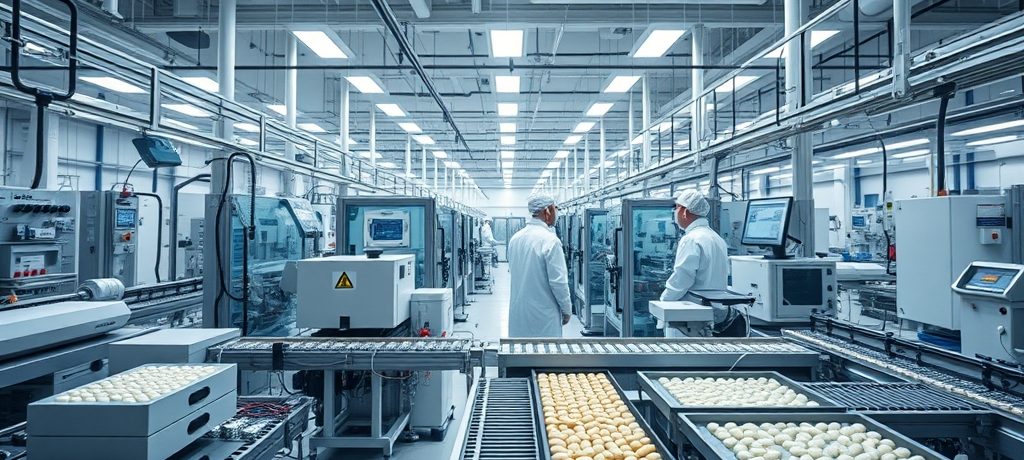
Many of these major generic pharmaceutical companies maintain extensive manufacturing operations outside the United States. Sandoz, for instance, operates plants in countries such as Canada and Austria, highlighting the globalized nature of generic drug production that would be directly impacted by the new tariff regime.
Geopolitical and Economic Implications for Trading Partners
The proposed duties carry significant geopolitical and economic implications, particularly for key US trading partners. India stands out as the biggest exporter of generic medicines to the United States, making it especially vulnerable to this policy shift. Pharmaceuticals constitute one of India’s top three export categories to America, with trade totaling $10.5 billion in the 2024-25 fiscal year, according to data from the country’s Commerce Ministry.
Should these duties on drugs be implemented, over 40% of India’s total exports to the US would be adversely affected. This adds to existing levies on other Indian exports, including steel, aluminum, and automobiles, further complicating trade relations and potentially prompting retaliatory measures or a significant restructuring of global pharmaceutical supply chains.
The imposition of a 100% tariff on generic drugs, coupled with a tight two-year deadline for reshoring production, represents a decisive and potentially disruptive policy shift. It places immense pressure on generic pharmaceutical manufacturers to fundamentally alter their global operational models, with far-reaching consequences for drug pricing, patient access, and international trade dynamics.