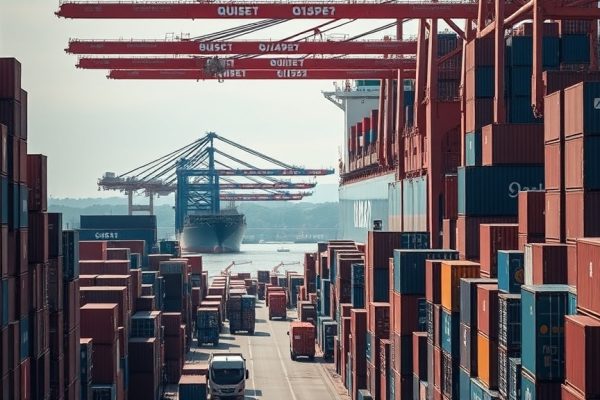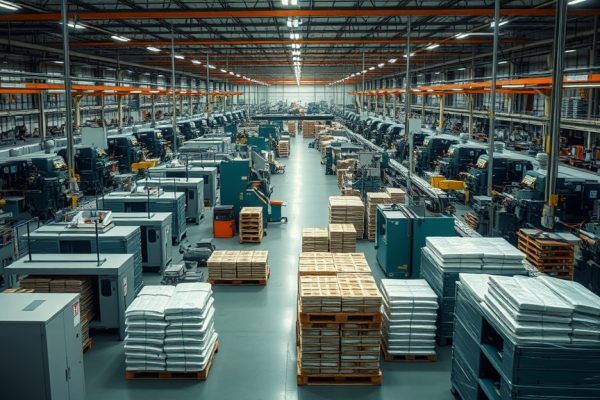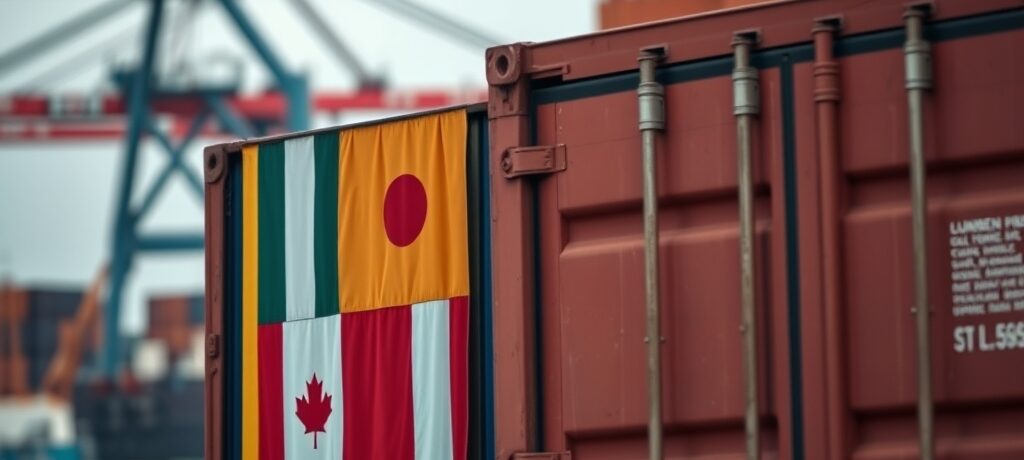
One year after President Donald Trump enacted sweeping tariffs, the global trade landscape is markedly different, yet the lasting impact of these duties, dubbed “Liberation Day” by some, continues to be assessed. The initial upheaval and uncertainty have given way to a period of recalibration for international commerce.
Shifting Trade Dynamics
The tariffs, introduced with the aim of reshaping global trade, have led to a complex web of retaliatory measures and adjustments by affected nations. While the exact long-term consequences are still unfolding, analysts point to a discernible alteration in trade flows and supply chain strategies.
Economic Repercussions
The economic repercussions of these tariffs are multifaceted. While some domestic industries may have seen short-term benefits, others have faced increased costs and reduced competitiveness. The broader impact on global economic growth remains a key area of observation for economists and policymakers alike.
The administration’s trade policies have undeniably altered the global economic chessboard. As the world moves past the initial shockwaves, the durability and ultimate effectiveness of these tariffs will continue to be a central theme in economic discourse.