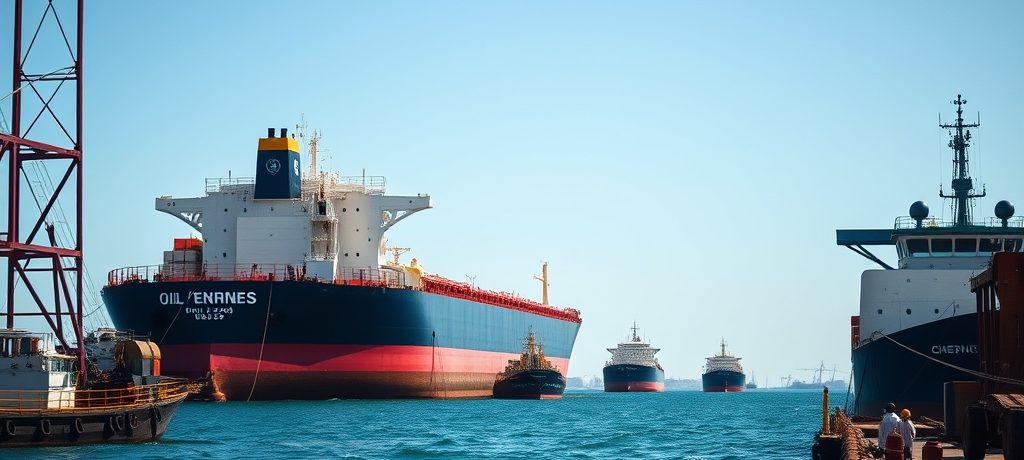
Iran’s oil and condensate exports plummeted to their lowest level in at least six years during May, falling below 300,000 barrels per day. This sharp decline, according to analysts, is a direct consequence of the persistent U.S. naval blockade targeting the Strait of Hormuz, severely impacting the nation’s ability to generate crucial revenue from its primary export.
Export Volumes Hit Six-Year Low
The latest data reveals a significant contraction in Iran’s crude shipments, with volumes sinking below the 300K bbl/day mark. This figure represents the lowest export level recorded for the nation’s oil and condensate in over half a decade, underscoring the severe impact of international pressures on its energy sector and its capacity to engage in global trade.
U.S. Blockade Chokes Shipments
Analysts attribute the dramatic reduction in exports primarily to the U.S. naval blockade of the Strait of Hormuz. This strategic maritime enforcement has effectively choked off Iran’s ability to transport its oil, leading to tens of millions of barrels being stranded and unable to reach international buyers. The inability to move these substantial volumes highlights the efficacy of the blockade in disrupting Iran’s access to global markets and its critical oil revenues.
The sustained pressure on Iran’s export capabilities through the Strait of Hormuz continues to shape the country’s economic outlook, with no immediate indications of a change in the operational environment for its oil shipments or relief for its stranded crude reserves.