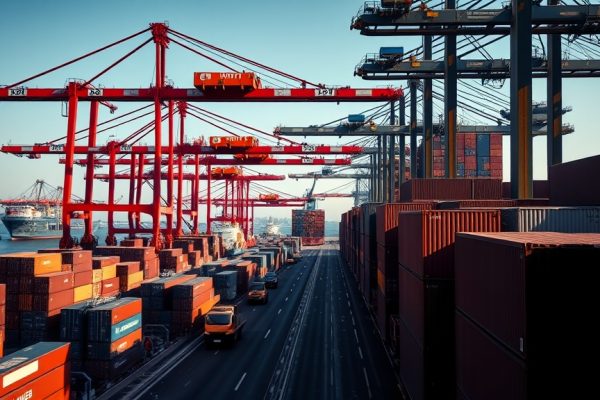
An unprecedented wave of stock offerings in the United States, spearheaded by technology giants like SpaceX, OpenAI, and Anthropic PBC, is fueling a significant redirection of investor attention towards the Asian supply chain. This anticipated capital influx, potentially totaling billions of dollars, is expected to kick off a fresh round of technology spending, with a substantial portion earmarked for the makers of server parts, specialized materials, cooling components, and power equipment across Asia.
For Asian stock markets, this could serve as a crucial catalyst, propelling the next leg of what has already been a historic rally. The thesis among investors is that the substantial capital raised by these US-based AI and space technology firms will cascade into increased demand for the foundational hardware and components essential for advanced computing networks.
Shifting Focus Beyond Chip Giants
Hardware firms in the Asian region have already emerged as major beneficiaries of the ongoing data-center buildout, a trend that has elevated chipmakers such as Taiwan Semiconductor Manufacturing Co., Samsung Electronics Co., and SK Hynix Inc. into the exclusive trillion-dollar club. However, following their rapid gains and the resulting lofty valuations, some investors are expressing unease, now betting that the next phase of AI infrastructure development will foster a new class of market champions.
Ken Wong, an Asian equity portfolio specialist at Eastspring Investments Hong Kong Ltd., articulated this evolving strategy, stating, “AI IPOs could further fuel the capex boom at a time when Asian chip stocks look stretched.” He added, “We’re currently underweighting semiconductors in our Asia technology strategy and focusing more on the electronic component makers.” This sentiment underscores a broader shift towards firms positioned earlier in the supply chain or those providing critical, yet less visible, components.
The intense battle for AI leadership has already necessitated massive expenditures on computing networks by industry titans like Meta Platforms Inc. and Amazon.com Inc. The impending equity offerings from SpaceX, OpenAI, and Anthropic are anticipated to provide some relief to market concerns regarding funding sustainability, particularly as debt levels associated with these ambitious infrastructure projects continue to rise.
Broadening Trade and Emerging Bottlenecks
Fabien Yip, a market analyst at IG International, estimates that the listings of SpaceX, OpenAI, and Anthropic alone could inject an additional $70 billion in AI spending. This figure comes on top of the more than $750 billion already committed by the largest hyperscalers, indicating a substantial and sustained investment trajectory. Yip observed, “The flow-through to Asia is prominently visible” in recent chipmaker earnings reports, further noting that “As the AI rally matures, the broadening beyond pure-play names is underway.”
This broadening trade is evident in some of the region’s hottest stock performances, which include makers of electronic components vital for servers, as well as providers of specialized materials and techniques used in semiconductor manufacturing. South Korea’s Samsung Electro-Mechanics Co. and Japan’s Ibiden Co. stand out as top performers on MSCI Inc.’s broadest Asia equity index this year, reflecting this diversified interest. Among more unconventional plays, IG’s Yip highlighted Japanese toilet maker Toto Ltd., which supplies ceramic materials essential for chipmaking equipment, illustrating the depth of the supply chain impact.
Asian chipmakers have indeed reported windfall profits driven by AI demand, benefiting from strong pricing power amidst dramatic semiconductor shortages. However, supply crunches are now beginning to manifest further down the supply chain. This trend is expected to deepen with the continued inflow of capital expenditure funding, creating new bottlenecks and, consequently, new investment opportunities.
Increased investor awareness of these emerging bottlenecks, coupled with technical factors such as concentration risks and limits on how much funds can invest in single stocks, is driving money managers to seek out companies where earnings are only just beginning to reflect the true scale of AI infrastructure spending. This strategic pivot aims to capitalize on the next wave of growth as the AI revolution permeates deeper into the global technology ecosystem.