Global oil prices are poised to conclude the month with their most substantial gains since March, despite a slight dip in trading on Friday, July 31, 2026. This upward trajectory is predominantly fueled by mounting anxieties over potential disruptions to Middle Eastern energy supplies, a critical factor influencing market sentiment.
Brent crude futures, the international benchmark, experienced a marginal decline, settling at $86.85 a barrel. However, the contract remains firmly on track to record a monthly increase exceeding 20 percent. Similarly, U.S. West Texas Intermediate (WTI) crude futures slipped 0.3 percent to $83.31. Despite this Friday’s minor pullback, the WTI contract is set for a robust monthly gain of more than 15 percent, underscoring the broad-based strength in the crude market.
Escalating Geopolitical Risks Drive Market Volatility
The primary catalyst for these sharp gains is a heightened sense of geopolitical instability in the Middle East. A recent drone strike on gas vessels at Egypt’s Damietta port has particularly intensified concerns that the ongoing U.S.-Iran conflict could broaden its scope across the region. This incident raises the specter of more countries being drawn into the roughly five-month-old war, with significant implications for global energy transit routes.
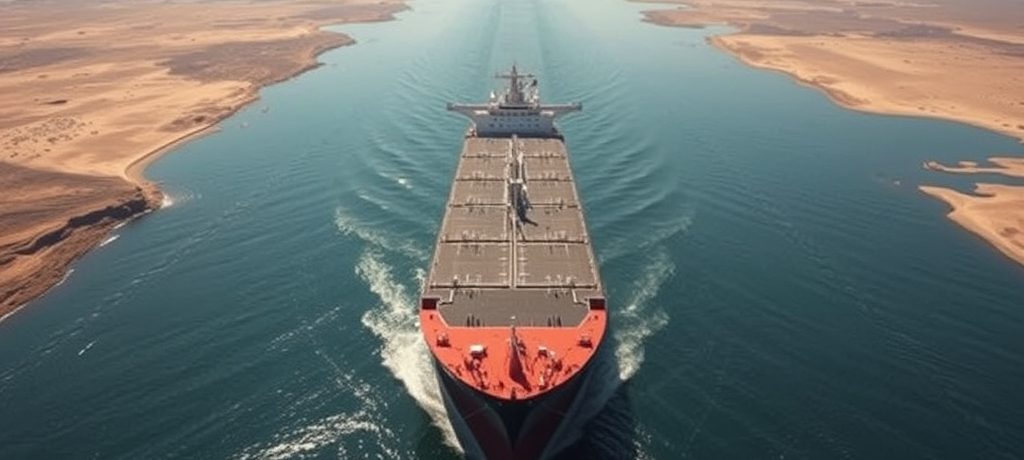
Crucially, the attack has elevated threats to navigation through the Suez Canal, a vital maritime artery and one of the last remaining export routes for Saudi oil. Any impediment to traffic through this strategic waterway could severely impact global supply chains and energy flows, leading to further price escalations.
Direct Military Actions and Regional Standoffs
Further exacerbating regional tensions, Iran’s Islami Revolutionary Guard Corps (IRGC) claimed responsibility for destroying two drone hangars and a fuel storage facility at the U.S.-operated Ali Al Salem airbase in Kuwait. The IRGC explicitly stated that Tehran’s military actions would persist until the complete eviction of U.S. ‘occupying and looting forces’ from the region, signaling a continued confrontational stance.
While these tensions remain acutely high in the Gulf, some market reports offer a glimmer of moderation. Media outlets indicate a moderate recovery of sea traffic through the Strait of Hormuz, a critical chokepoint for global oil shipments. This suggests a complex and evolving situation where immediate disruptions are being partially mitigated, even as underlying risks persist.
Diplomatic Efforts and Security Alliances
Amidst the military escalations, diplomatic efforts are also underway, albeit with cautious progress. U.S. President Donald Trump announced that his so-called ‘Board of Peace’ had reached an agreement for the complete disarmament of Palestinian Hamas militants and other armed groups in Gaza. A Hamas official, while describing discussions as ‘positive’ and ‘making progress,’ cautioned that Israel’s approval of the phased disarmament agreement is a prerequisite for its implementation, highlighting the fragility of such accords.
In a separate but related development aimed at bolstering regional security, Saudi Arabia has declared its intention to form an international alliance. This mission is specifically designed to guard the Red Sea from attacks on shipping, primarily targeting threats posed by Iran-backed Houthis in Yemen. Such an alliance underscores the concerted efforts by regional powers to secure vital maritime routes against persistent threats, reflecting the broader instability impacting energy security.
The confluence of these military actions, strategic threats to shipping lanes, and cautious diplomatic overtures paints a volatile picture for the global oil market. As the month closes, the significant gains in Brent and WTI crude futures serve as a clear indicator of how deeply intertwined geopolitical risks in the Middle East are with the stability and pricing dynamics of international energy supplies. Investors and analysts will continue to monitor the region closely, as any further escalation or de-escalation could profoundly influence crude prices in the coming weeks and months.