Gold prices found stability following reports from both the United States and Iran flagging early progress in negotiations aimed at de-escalating the conflict that has significantly impacted global markets and contributed to inflationary pressures. Bullion traded near $4,190 an ounce, having registered a nearly 1% gain in the preceding session, effectively snapping a three-day decline.
Diplomatic Headway and Market Repercussions
US Vice President JD Vance characterized weekend discussions with Iran as “very, very good,” while Iranian officials similarly acknowledged making headway. This diplomatic movement follows the signing of a memorandum of understanding last week, though both sides concede that substantial obstacles persist.
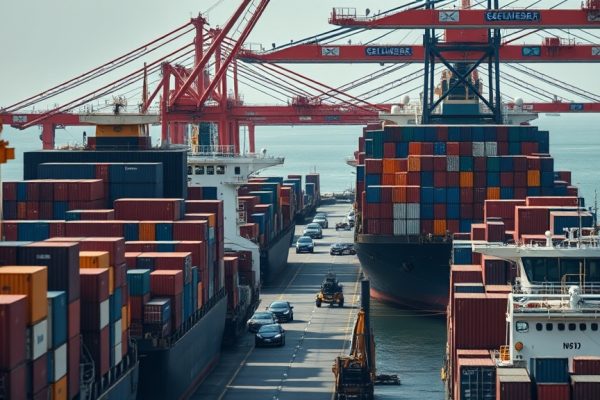
Among the tangible outcomes, a direct communication line between Tehran and Washington has been established. This channel is intended to facilitate secure passage for vessels navigating the critical Strait of Hormuz, a choke point for global energy supplies. Furthermore, the US has issued a 60-day license, permitting Iran to sell a limited quantity of oil on the international market. Crude prices, which had seen a decline, edged higher on Tuesday in response to these developments.
Precious Metals Under External Pressures
Despite the geopolitical progress, the broader market for precious metals remains cautious. Rhona O’Connell, head of market analysis for EMEA and Asia at StoneX Group Inc., noted in a client communication, “The gold and silver markets remain in thrall to external factors and are still reluctant to move either way.” She added, “The technical positions are not good for either metal, although some flows are improving.”
Since the conflict commenced at the end of February, gold has seen its value decline by approximately a fifth, with silver experiencing an even sharper fall of over 30%. The near-closure of the Strait of Hormuz has severely constrained oil and natural gas flows, leading to elevated energy prices. This, in turn, has heightened the probability of central banks implementing interest rate hikes to combat inflation, a significant headwind for non-yielding assets like precious metals.
Monetary Policy and Dollar Strength Weigh
The positive impacts of the interim US-Iran agreement were partially offset by a hawkish tone adopted last week by new Federal Reserve Chair Kevin Warsh, which unsettled investors. The US dollar has appreciated by more than 1% since the last Federal Reserve meeting, presenting another drag on gold, which is priced in the greenback. Ahmad Assiri, an analyst at Pepperstone Group Ltd., emphasized that the dollar remains “the primary driver in the current environment.”
At 8:00 a.m. in Singapore, spot gold was largely unchanged at $4,188.91 an ounce. Silver saw a slight dip of 0.2% to $64.94 an ounce, while platinum and palladium also edged lower. The Bloomberg Dollar Spot Index registered a marginal decline.