Instacart has announced the acquisition of Arpalus, a computer vision company, to significantly enhance the inventory accuracy across its grocery platforms. The strategic move, detailed in a Thursday (July 16) press release, underscores Instacart’s commitment to integrating advanced technology for both its eCommerce fulfillment and in-store operations. Arpalus’s specialized shelf intelligence technology is purpose-built for grocery retail, promising to deliver more precise and real-time inventory data crucial for modern retail efficiency.
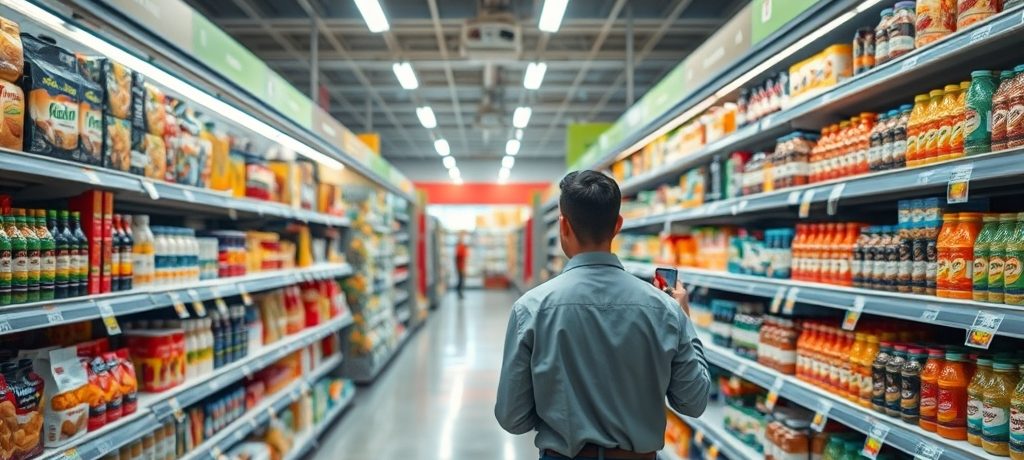
The core of Arpalus’s innovation lies in its ability to transform a video scan of a store shelf into a dynamic, real-time inventory picture with greater than 95% accuracy. This impressive capability is achieved when the technology is installed on a smartphone or any other camera-equipped device. Instacart plans to immediately leverage its extensive network of 600,000 shoppers, who, on average, visit large-format stores more than 15 times daily, to generate this critical shelf intelligence using their existing app. This direct integration into the shopper workflow ensures a continuous stream of updated shelf data.
Beyond its vast shopper network, Instacart will also deploy Arpalus’s technology within its Caper Carts. These smart shopping carts, already equipped with external cameras, will now utilize Arpalus’s computer vision to autonomously navigate store aisles and capture comprehensive shelf data. The wealth of information collected through these diverse tools is slated for integration across Instacart’s key offerings, including the Instacart Marketplace, Storefront Pro, and Store View. This integration aims to provide a more accurate and real-time understanding of product availability, thereby minimizing out-of-stock situations and enhancing the overall shopping experience for customers, shoppers, and retail partners alike.
David McIntosh, Instacart’s Chief Connected Stores Officer, emphasized the strategic value of the acquisition for addressing a fundamental retail challenge. “The Arpalus team has spent years building exceptional shelf intelligence technology, solving the problem of understanding what’s actually on store shelves, at any given moment,” McIntosh stated in the release. He further elaborated on the synergy, adding, “With our leadership in Physical AI for grocery retail and by activating our network of shoppers, we can feed even more accurate shelf information back into our models, delivering better outcomes for customers, shoppers, and our retail and brand partners.”
Ofir Zilberberg, Founder and CEO of Arpalus, echoed this sentiment, highlighting the transformative nature of the merger for the future of retail. “Joining Instacart is a transformative milestone. By combining Arpalus’ AI innovation with Instacart’s scale and retail reach, we are accelerating the future of intelligent retail and redefining how stores operate,” Zilberberg remarked in the press release, pointing to the potential for widespread impact.
This acquisition is not an isolated event but rather follows a series of strategic technology investments by Instacart aimed at expanding its capabilities and market reach. In April, the company acquired Instaleap, a Colombia-based grocery technology firm, specifically aimed at promoting global expansion and bolstering its technological capabilities, particularly in facilitating marketplace integrations and fulfillment services for retailers. Furthermore, in May 2025, Instacart announced the acquisition of Wynshop, a provider of eCommerce solutions for grocers and retailers, a deal intended to further expand Instacart’s relationships with retailers and support its existing suite of tools and technologies.
The integration of Arpalus’s advanced computer vision technology into Instacart’s extensive ecosystem marks a significant step in the company’s efforts to solidify its position at the forefront of grocery retail innovation. By enhancing inventory precision and operational efficiency across both online and physical store environments, Instacart aims to deliver a more seamless, reliable, and ultimately more satisfying shopping experience, reinforcing its value proposition to its vast network of users and partners. This strategic move positions Instacart to drive further advancements in the intelligent retail landscape.