Meliá, the prominent Spanish hotel chain, announced Tuesday its complete withdrawal from Cuba, effective Friday, citing “the significant operational, legal, economic and financial difficulties that have persistently affected, and continue to affect, the environment” in the Caribbean island nation. This decisive move delivers a substantial blow to Cuba’s tourism industry, which historically served as a vital engine for the country’s economy, now grappling with intensified U.S. sanctions and a severe energy blockade.
Escalating Sanctions Drive Departure
The company’s decision directly follows new sanctions imposed by the United States on July 13, which blacklisted Cuba’s Ministry of Tourism. This ministry was a key business partner for more than a dozen hotels that Meliá still managed on the island. Prior to this latest measure, Meliá had already suspended the management of 15 other hotels, which it operated through an agreement with a tourism agency run by GAESA, a Cuban military-business conglomerate. GAESA itself had been sanctioned by the U.S. in May, signaling a systematic tightening of economic pressure that has now culminated in Meliá’s full exit from the Cuban market.
A Symbolic Exit from a Long History
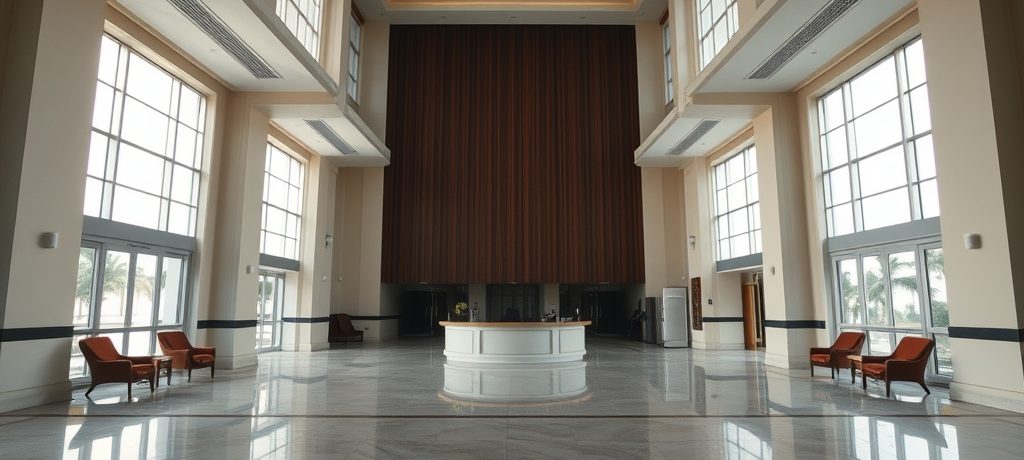
Meliá’s presence in Cuba was not merely economic; it carried significant symbolic weight. The chain once boasted 34 five-star hotels across the island, concentrated in key tourist destinations such as Havana, the capital, the renowned Varadero resort, and various idyllic keys. Its initial foray into Cuba followed the opening of tourism in the Caribbean nation more than 35 years ago, after the collapse of the Soviet Union, marking Meliá as a foundational and highly visible international partner in Cuba’s post-Soviet economic reorientation. Its complete withdrawal underscores the profound shift in the operational viability for foreign businesses under the current geopolitical climate.
U.S. Policy Intensifies Economic Squeeze
The U.S. measures against companies operating in Cuba are comprehensive, designed to freeze their assets and seize their accounts within the United States, effectively barring them from operating in the U.S. financial market. Furthermore, these sanctions include travel bans for shareholders, investors, and employees of affected entities, creating a formidable deterrent for international engagement with the Cuban economy. The U.S. government ramped up its pressure on the island following the capture of Venezuela’s then-President Nicolás Maduro in January, with the stated objective of precipitating the fall of the Cuban government and instigating changes to its political and economic model. This strategy has been compounded by the implementation of an energy embargo, which has severely exacerbated a pre-existing crisis on the island.
Humanitarian Fallout and Economic Paralysis
The cumulative effect of these sanctions and the energy embargo has translated into a dire humanitarian and economic situation for Cuba. The island is experiencing daily blackouts, frequently lasting more than 20 hours, crippling daily life and economic activity. Medicine shortages have pushed the healthcare system to the brink, while a collapsed water supply and paralyzed transportation networks further illustrate the widespread distress. These conditions create an untenable operating environment for any business, particularly those reliant on consistent infrastructure and consumer services like the hospitality sector.
Expert Views on Policy Impact
Paolo Spadoni, an associate professor in the Department of Social Sciences at Augusta University in Georgia, characterized Meliá’s departure as a clear demonstration of the “resounding impact of U.S. President Donald Trump’s policies.” Spadoni further elaborated that these policies are “methodically and systematically closing every source of foreign currency for the Cuban government,” highlighting the strategic intent and effectiveness of the U.S. economic blockade in isolating Cuba from international revenue streams.
Broader Tourism Sector Collapse
Meliá’s exit is not an isolated incident but rather part of a broader exodus of international tourism operators from Cuba. The tourism sector has plummeted following the withdrawal of other major chains, including the Spanish Iberostar and the Canadian Royalton. Concurrently, several airlines, such as World2Fly, Air France, and Iberia, have canceled flights to Cuba, further severing crucial links for international visitors. This widespread retraction has had a devastating effect on tourist arrivals.
Recent data underscores the severity of this decline. In the first trimester of this year, tourism arrivals in Cuba totaled just 298,000, representing a significant 48% decrease compared to the same period in 2015. This stark reduction in visitor numbers directly impacts foreign currency earnings, employment, and the overall economic stability of the island. Meliá’s departure, therefore, serves as a potent symbol of the profound challenges facing Cuba’s economy, as international businesses find it increasingly difficult to navigate the complex web of sanctions and operational hurdles, signaling a protracted period of economic isolation for the nation.