The UK’s inflation rate has fallen to 2.8% in the year to April, a more significant drop than anticipated, primarily due to a reduction in energy prices. However, economists widely expect this downward trend to reverse, with inflation projected to climb back up later this year.
Energy Bills Provide Temporary Respite
The Office for National Statistics (ONS) reported that the annual inflation rate decreased from 3.3% in March to 2.8% in April. This decline was largely attributed to lower gas and electricity bills. These reductions were influenced by the government’s energy bill support package and a period of lower wholesale energy prices that preceded the conflict in the Middle East.
Despite this welcome fall, a lower inflation rate does not signify a decrease in the cost of goods and services. Instead, it indicates that prices are increasing at a slower pace than in previous periods.
Future Outlook Points to Rising Inflation
Analysts are cautioning that the current dip in inflation is likely to be short-lived. Yael Selfin, chief economist at KPMG, stated that the 2.8% rate is ‘likely as low as it gets for some time.’ KPMG forecasts that inflation will trend upwards through much of 2026, potentially reaching approximately 4% by the end of the year. This upward pressure is largely driven by the ongoing impact of the Iran war on global commodity prices.
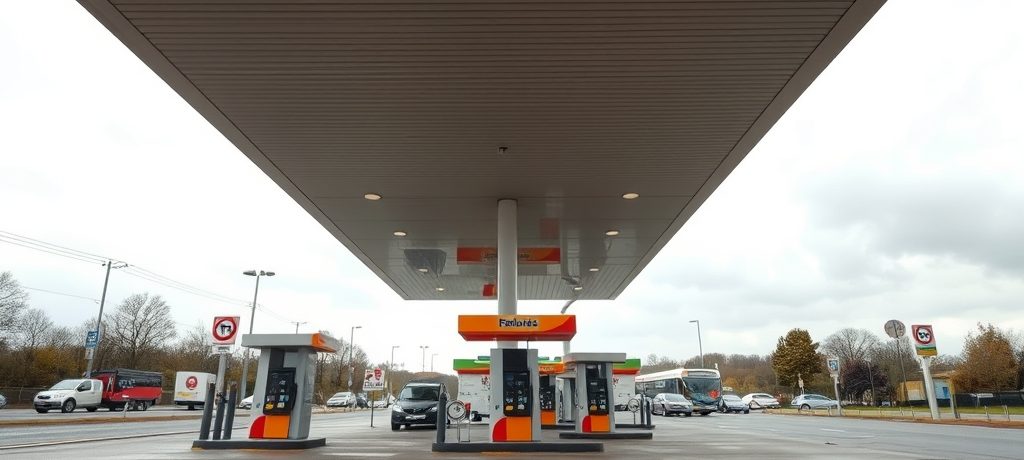
The conflict in the Middle East continues to exert pressure on global prices, particularly for energy. This has already led to a rise in fuel prices, with the average price of petrol reaching 156.8p per litre in April, a high not seen since 2022. Diesel prices saw an even sharper increase, rising by over 30p in April to an average of 190p per litre. Petrol prices have since climbed further, hitting 158.52p a litre in early May, according to the RAC.
Government Response and Economic Concerns
In anticipation of rising energy prices, Chancellor Rachel Reeves is preparing to announce further cost of living support measures for households. Reeves highlighted that decisions made in the previous Budget, such as reducing energy bills by £117, freezing rail fares, and lifting the two-child limit on benefits, had helped to keep inflation down amidst global instability. She indicated that further support packages would be detailed soon.
However, Shadow Chancellor Mel Stride expressed concern, stating, ‘Any fall in inflation is welcome, but prices are still rising far too fast and Labour have left our economy weak and exposed to the impacts of the Iran war.’
Broader Economic Indicators
Lindsay James, investment strategist at Quilter, described the 7% fall in the energy price cap in April as a positive development for consumers but warned it would be ‘short lived.’ James pointed to the significant increase in fuel prices as a clear indicator of ‘potential threats that still lurk for consumers and businesses,’ advising the UK to prepare for higher inflation.
Data from the ONS chief economist Grant Fitzner indicated that the annual cost of ‘both raw materials and goods leaving factories continued to rise’ in April, a trend linked to higher oil and petrol prices. Producer input prices, which represent the cost of materials and fuel for manufacturers, rose by 7.7% in the year to April. Conversely, lower water and sewage bills and a reduction in vehicle tax compared to the previous year also contributed to moderating the overall inflation rate.
Food and drink prices also saw a slower rate of increase, falling to 3% in the 12 months to April, down from 3.7% in March. This was particularly noticeable in categories such as chocolate and meat products. Nevertheless, the Food and Drink Federation has issued a warning that food price inflation could potentially reach 10% by the end of the year.
Ian Cheetham, managing director of Set Produce, a supplier of fresh fruit and vegetables, commented on the inevitability of rising food prices. He stated, ‘We can absorb some costs going up but with fuel prices as they are and transportation being a big part of the business it can be hard to absorb it all.’
Implications for Bank of England Policy
The Bank of England’s mandate is to maintain inflation at 2%. To achieve this, it can adjust interest rates. Typically, when inflation is above target, the Bank raises interest rates to curb spending and reduce demand. However, a significant portion of the current inflationary pressures stems from external factors, such as the higher oil prices driven by the Iran war. This suggests that raising interest rates might have a limited impact on these specific price increases.
KPMG’s Yael Selfin does not anticipate the Bank of England will raise interest rates in its upcoming meeting, suggesting the Monetary Policy Committee will ‘likely to wait for clearer evidence of a renewed pickup in domestic inflation’ before making a move.