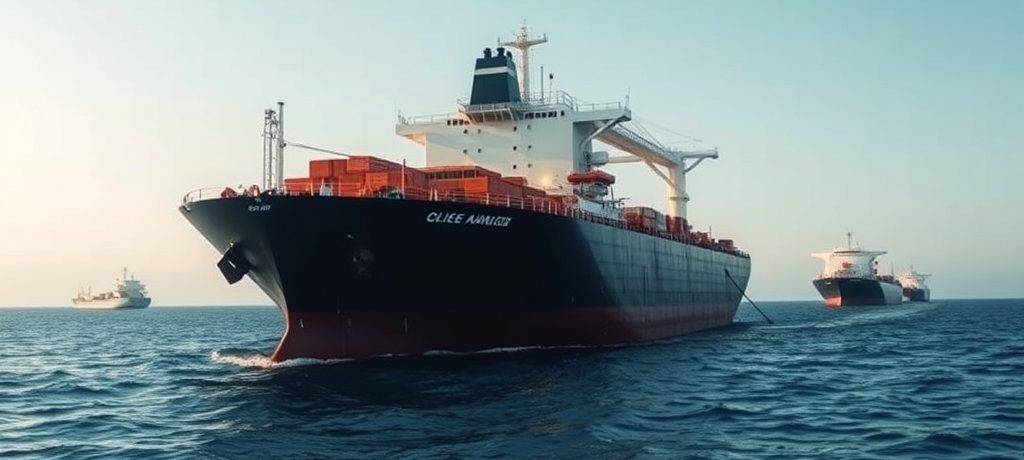
The US Treasury Department has ceased allowing Iranian oil sales to be conducted in US dollars on global markets, a move that has immediately stranded over 60 million barrels of Iranian crude at sea without clear buyers. This decisive action follows a series of incidents where several tankers were reportedly hit by projectiles while attempting to navigate the critical Strait of Hormuz.
The revocation of this waiver intensifies financial pressure on Tehran, effectively cutting off a vital revenue stream denominated in the international reserve currency. For investors, the development signals heightened geopolitical risk in the Gulf region, potentially impacting global oil supply dynamics and crude prices, even as the immediate challenge for Iran is to find alternative payment mechanisms or storage solutions for its substantial stranded inventory.
The immediate consequence of this policy shift is the significant volume of oil now adrift, representing a direct economic blow to Iran’s ability to monetize its primary export. The lack of clear buyers for such a large quantity underscores the effectiveness of the US measure in disrupting Iran’s access to the international energy market, particularly through the dominant US dollar system.