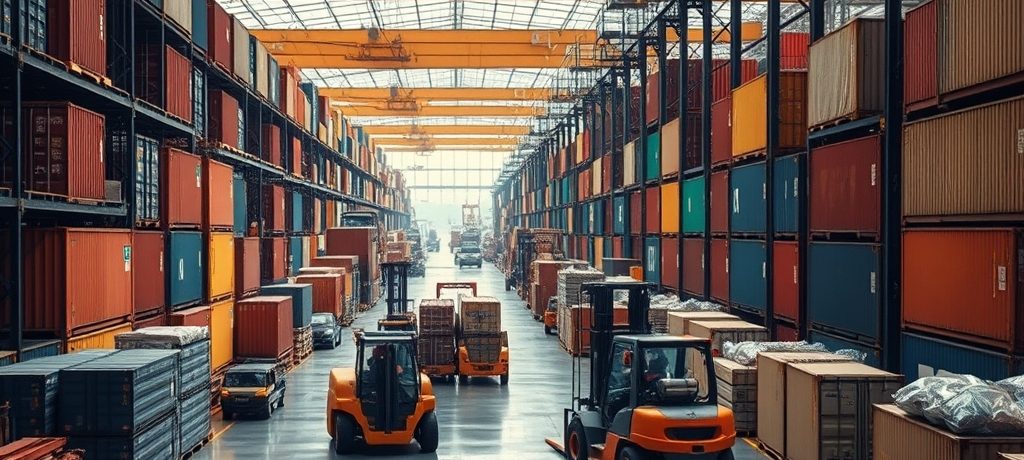
U.S. wholesale inflation surged last month, with producer prices climbing 6% from a year earlier, marking the most significant increase since December 2022. This sharp rise, driven largely by escalating energy costs attributed to the 10-week Iran war, intensifies pressure on businesses to transfer higher expenses to consumers, according to a report from the Labor Department.
The Labor Department’s producer price index (PPI), which tracks inflation at the wholesale level before it impacts consumers, recorded a 1.4% jump in April alone. This represents the biggest monthly gain since March 2022, signaling a robust inflationary trend in the supply chain.
Energy Costs Fueling Price Hikes
Energy prices were a primary contributor to the overall increase, soaring 7.8% from March to April and a substantial 22.7% compared to a year ago. Gasoline prices saw a particularly steep ascent, climbing 15.6% from March, while diesel, a critical fuel for shipping and logistics, jumped 12.6% over the same period. These figures underscore the direct impact of geopolitical events on commodity markets and, subsequently, on the cost of goods.
Excluding the volatile categories of food and energy, so-called core producer prices also showed considerable upward movement. Core PPI advanced 1% from March and was up 5.2% from April 2025. All these reported figures significantly exceeded economists’ forecasts, indicating a stronger-than-anticipated inflationary environment.
Broader Economic and Political Implications
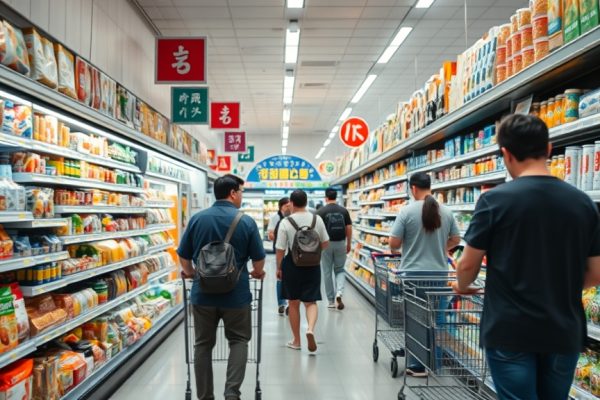
Wholesale prices often serve as an early indicator for the direction of consumer inflation. This upward trend in producer prices follows closely on the heels of the Labor Department’s report on the consumer price index (CPI), which jumped 3.8% last month from April 2025. This marks the biggest year-over-year increase in consumer prices in over three years, with energy costs again playing a central role.
Economists closely monitor wholesale inflation, particularly components related to health care and financial services, as they feed into the Commerce Department’s personal consumption expenditures (PCE) price index — the Federal Reserve’s preferred measure of inflation. The persistent rise in prices comes at a time when American households are already grappling with the high cost of living. Affordability is expected to be a pivotal issue as voters head to the polls on November 3 to decide control of the U.S. Senate and House of Representatives, with President Donald Trump’s Republican Party currently holding sway.
The continued ascent of producer prices suggests that companies will face sustained pressure to adjust their pricing strategies, potentially leading to further cost burdens for consumers and maintaining inflation as a dominant economic and political challenge.