The Canadian economic narrative is currently shaped by a confluence of escalating inflation, corporate legal battles, a looming trade dispute, and a bold declaration of a new era for the mining sector. As of Monday, October 19, key reports and ministerial statements paint a complex picture of both challenges and opportunities across the nation’s financial landscape, from consumer prices to critical mineral investments, demanding close attention from investors and policymakers alike.
Inflationary Pressures Mount, Driven by Energy Costs
Canada’s inflation rate has continued its upward trajectory, with the Consumer Price Index (CPI) report, released by Statistics Canada on Monday, indicating a significant rise. Overall prices climbed 3.1 per cent year-over-year, marking an increase from the three per cent recorded in August. This acceleration in inflation, now consistently above the Bank of Canada’s target, is largely attributable to surging energy prices. These essential commodities were a substantial 19 per cent higher compared with the same period last year, exerting considerable pressure on household budgets and business operating costs. The sustained increase above the central bank’s comfort zone raises pertinent questions about the future direction of monetary policy.
Bank of Canada Hints at Rate Hike Possibility by 2026
Following the latest inflation figures, economists are closely scrutinizing signals from the Bank of Canada (BoC). BoC Governor Tiff Macklem adopted a ‘hawkish’ tone in an interview with reporters during an International Monetary Fund meeting, prompting significant speculation among economists. The central bank’s policymakers are now being watched to see if they will continue to ‘shrug off above-target inflation’ or if a more interventionist approach is on the horizon. While immediate action is not anticipated, analysts suggest that a Bank of Canada rate hike, a significant move for borrowing costs, could still materialize as early as 2026, indicating a longer-term concern for persistent inflationary pressures and the need for eventual policy normalization.
Stelco Becomes Flashpoint in Canada-U.S. Trade Tensions
The Canadian steel industry, already facing headwinds and described as ’embattled,’ was rocked by a recent announcement from Hamilton-based Stelco Holdings Inc.’s U.S. parent company, Cleveland-Cliffs Inc. On September 28, Cleveland-Cliffs declared its intention to indefinitely idle its Hamilton plant, a decision that will lead to the layoff of hundreds of workers. This move has sent ‘shockwaves’ through the sector and ignited a potential trade dispute at the federal level. In response, Industry Minister Mélanie Joly has swiftly threatened legal action, citing ‘commitments agreed upon under the Investment Canada Act’ when Cleveland-Cliffs first assumed ownership of Stelco. The government’s firm stance underscores its demand for the preservation of Ontario jobs and adherence to investment agreements, highlighting the sensitive nature of cross-border industrial ownership.
Emerita Resources Embroiled in Lithium Legal Battles
Once celebrated as a high-flyer and a beacon of success in the mineral exploration sector, Emerita Resources Corp. now finds itself mired in extensive legal disputes. The company, which the TSX Venture Exchange singled out as its ‘best performing overall stock in a 2021 ranking,’ is currently ’embroiled in litigation and beset by disputes.’ These multifaceted conflicts involve a wide range of parties, including one of its co-founders, several former top executives, investors, and even regulators. All these legal challenges are centered around a specific lithium project, marking a dramatic and unwelcome shift from the company’s recent period of high growth and market recognition to a complex legal quagmire that could impact its future operations and investor confidence.
Minister Declares ‘Largest Investment Supercycle’ in Mining History
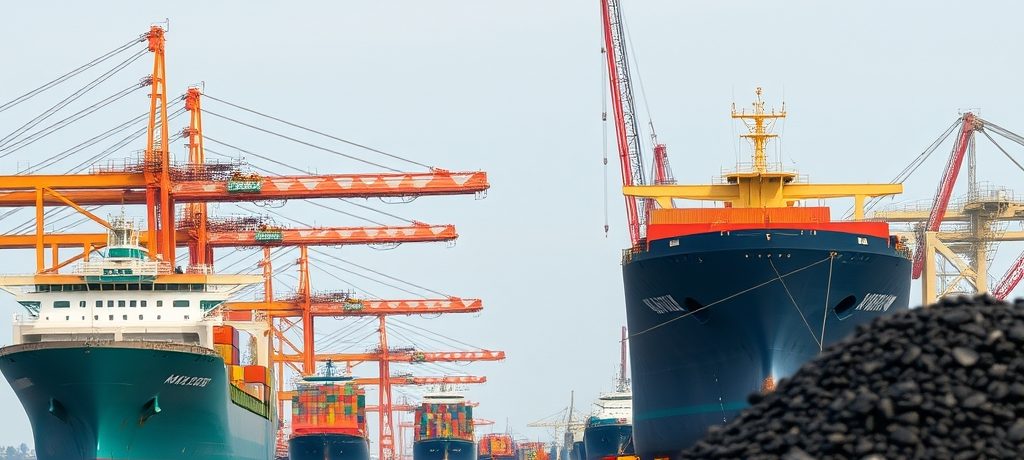
On a more optimistic note for the resource sector, Energy and Natural Resources Minister Tim Hodgson has declared that the world is entering the ‘largest investment supercycle in the history of the metals and mining industry.’ Speaking at an event hosted by Canada House in London on Monday, Minister Hodgson underscored the profoundly evolving significance of critical minerals. He articulated that ‘Critical minerals are no longer simply industrial commodities,’ but rather, ‘They are the inputs that will decide which economies can grow, which can compete and which countries will secure their economic futures.’ This powerful pronouncement signals a strategic shift towards recognizing these minerals as foundational to future economic prosperity, national security, and global competitiveness, positioning Canada to potentially benefit significantly from this declared supercycle.
These diverse developments underscore a dynamic and often challenging economic environment for Canada. From managing persistent inflationary pressures and navigating complex international trade relations to addressing corporate governance disputes and capitalizing on a declared historic opportunity in critical minerals, policymakers and industry leaders face a multifaceted agenda. The interplay of these factors will undoubtedly shape Canada’s economic trajectory in the coming years, demanding strategic responses, robust regulatory oversight, and adaptability across all sectors to convert challenges into sustainable growth.