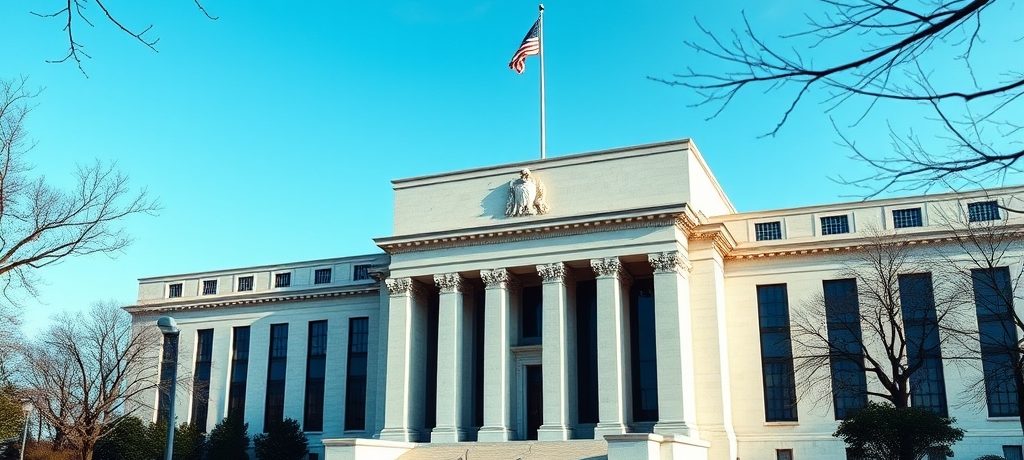
Jerome Powell’s eight-year tenure as Federal Reserve chair concludes with a dramatically transformed U.S. economy, a stark contrast to the low inflation and interest rate environment he inherited. Appointed when economists worried about too few jobs and stagnant prices, Powell now steps down having navigated a period where inflation soared to a four-decade high, interest rates reached a two-decade peak, and unemployment plummeted to a half-century low, leaving a complex and debated legacy.
The Inflation Challenge and Response
An inescapable aspect of Powell’s time at the helm is the post-pandemic inflation surge, which saw consumer prices climb by a staggering 9.1% in June 2022. Overall prices are now 27% higher than six years prior, just before the pandemic, a significant shift for a nation accustomed to generations of low inflation. For context, prices rose only 10% in the six years preceding the pandemic, with groceries increasing a mere 3.6% compared to a 30% jump in the six years following COVID-19. Initially, Powell and most economists, including other Fed officials, characterized this surge as “transitory,” attributing it to supply chain disruptions caused by global shutdowns. Despite inflation exceeding the Fed’s 2% target in 2021, the central bank maintained its key interest rate near zero until March 2022, when inflation, by the Fed’s preferred measure, had reached 6.9%. Critics, such as Mickey Levy, a former top economist at Bank of America, contend that this delay was a misstep. Levy stated, “Even though there was all the evidence there in the data that aggregate demand was going through the roof, they still said it was a transitory supply shock. The Fed contributed to that inflation and completely misread the tea leaves.” This period also coincided with approximately $5 trillion in government spending from the Trump and Biden administrations, further fueling demand as supply chains struggled.
Achieving the ‘Soft Landing’
As inflationary pressures broadened to include items like apartment rents and public concern grew about its persistence, Powell executed a significant policy pivot. He oversaw the most aggressive series of interest rate hikes since the early 1980s, aiming to curb the escalating prices. Many leading economists, including former Treasury Secretary Larry Summers, had warned that taming inflation would likely necessitate a recession and a sharp rise in unemployment. However, under Powell’s leadership, inflation successfully receded to 2.3% by September 2024, according to the Fed’s preferred measure, nearly achieving its 2% target without a severe economic downturn. This outcome is widely regarded as an elusive “soft landing,” a notable achievement in economic management. Inflation subsequently edged higher after new tariffs were imposed last April.
Employment Focus and Policy Debates
Powell’s initial focus diverged sharply from fighting inflation; he began his term prioritizing the Fed’s mandate to pursue maximum employment. Before the pandemic, he frequently highlighted the benefits of a robust job market for disadvantaged workers, earning praise from many progressive economists. This emphasis, however, has drawn scrutiny, with some economists suggesting it contributed to the Fed’s delayed response to post-COVID inflation. For instance, in an August 2021 speech, Powell cited an elevated unemployment rate of 5.4% as a reason to avoid premature rate hikes. Nevertheless, his commitment to the maximum employment mandate has its defenders. Julia Coronado, president of MacroPolicy Perspectives and a former Fed economist, argued that Powell was correct to keep rates low pre-pandemic, even as unemployment declined, because there were no signs of worsening inflation. Coronado asserted, “If you can actually push a little harder for a little longer with no consequences for inflation, then you should damn well do it. He was absolutely right about that. He’s still right about that.”
Upholding Central Bank Independence
Beyond monetary policy, a defining aspect of Powell’s legacy is his staunch defense of the Federal Reserve’s independence. He famously shrugged off relentless personal attacks from President Donald Trump, which commenced just months into his appointment. In a particularly emblematic moment last July, Powell publicly corrected Trump on the cost of a Fed building renovation, demonstrating his willingness to push back. More recently, in January, Powell resisted an unprecedented legal investigation by the Justice Department, becoming one of the few top officials in Washington to challenge the Trump White House. He has stated his intention to remain on the governing board until he is confident the Fed’s independence is “truly restored.” This commitment is highly valued by economists who advocate for an autonomous central bank, enabling it to make difficult, often unpopular, decisions like raising interest rates to combat inflation. Don Kohn, a former vice chair of the Fed, lauded this aspect, stating, “The big plus is the way he has protected central bank independence. That is the most important thing for the future of the Federal Reserve and for protecting the public interest in having an independent central bank.” Powell also cultivated strong relationships with Congress, meeting with senators more than twice as often as his two predecessors, with interactions evenly split across both parties, according to research by University of Maryland economist Thomas Drechsel. David Wilcox, a senior fellow at the Peterson Institute for International Economics, summarized Powell’s performance: “It is not an unblemished record, but in an extremely challenging context, he’s performed exceedingly well. And my overall assessment is that the country has been lucky indeed to have him as chair.”
Jerome Powell’s eight years as Fed chair represent a period of profound economic shifts and significant policy challenges. From navigating a global pandemic and an unprecedented inflation surge to achieving a rare “soft landing” and steadfastly defending the central bank’s autonomy against political pressures, his tenure has been marked by both criticism and considerable praise. His legacy will be defined by these complex dynamics, underscoring the critical role of leadership in steering the nation’s economic course through turbulent times.