David Malpass, the former president of the World Bank, has issued a direct call for China to cease its accumulation of food and fertiliser stockpiles, asserting that such a move is critical to alleviating a global supply crisis exacerbated by the ongoing Iran war. Speaking to the BBC’s World Business Report on the eve of a high-stakes summit between US President Donald Trump and China’s Xi Jinping in Beijing, Malpass highlighted China’s dominant position in global reserves.
China’s Stockpiles and Global Scarcity
“They have the biggest world stockpile of food stuffs and of fertiliser,” Malpass stated, urging, “They can stop building their stockpiles.” His comments arrive as nations worldwide are intensifying efforts to secure vital fertiliser supplies ahead of the crucial spring planting season. The global supply chain has been severely disrupted by the closure of the Strait of Hormuz, a critical maritime chokepoint. China itself has contributed to the scarcity, having halted its fertiliser exports since March, citing the imperative to safeguard domestic supplies.
Questioning China’s ‘Developing Nation’ Status
Beyond the immediate supply concerns, Malpass, who led the World Bank from 2019 to 2023 and previously served as Treasury Under Secretary for International Affairs under President Trump from 2017 to 2019, also challenged Beijing’s self-proclaimed status as a developing nation. “They present themselves as a developing country when they’re the second biggest economy in the world and in many ways rich,” he observed. He added, “And yet they still have the pretence of being a developing country in the WTO and in the World Bank, and they could suspend that.” The BBC has reached out to the Chinese embassy in Washington for official comment regarding these assertions.
Geopolitical Stability and Trade Routes
Malpass further weighed in on the broader geopolitical landscape, particularly concerning the Iran ceasefire, which President Trump had described as being on “massive life support.” The former World Bank chief advocated for global unity behind the United States to demand a resolution, emphasizing that “You can’t have a rogue state with plutonium, and you can’t block the Strait of Hormuz.”
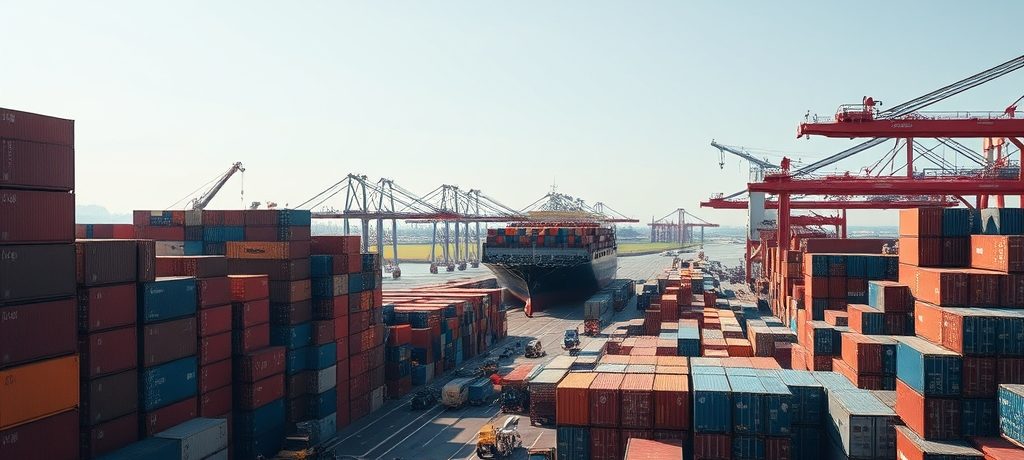
He expressed optimism that China would play a constructive role in resolving the deadlock in the Strait of Hormuz, underscoring that the free movement of ships is fundamentally in China’s economic interest. “China benefits from open waterways worldwide,” Malpass noted. He elaborated on China’s significant stake in global trade: “They run the shipping lines, own the containers, and make huge profit from trade with the rest of the world. So, they would be a big loser if Iran in some way had control of the Strait of Hormuz.”
US Economic Outlook
Addressing the economic outlook for American citizens, Malpass offered insights ahead of Tuesday’s release of US inflation data for April. He predicted an upward trend in consumer prices, stating, “I expect some up, yes, prices will go up on many products.” However, he balanced this forecast by pointing to “robust” jobs data, which he believes demonstrates the resilience of the US economy.
Malpass’s comprehensive remarks underscore a complex interplay of global economic stability, geopolitical tensions, and the strategic decisions of major world powers. His call for China to reconsider its stockpiling practices and its international economic classification highlights the pressing need for collaborative solutions to address current global challenges, from food security to maintaining open trade routes.